
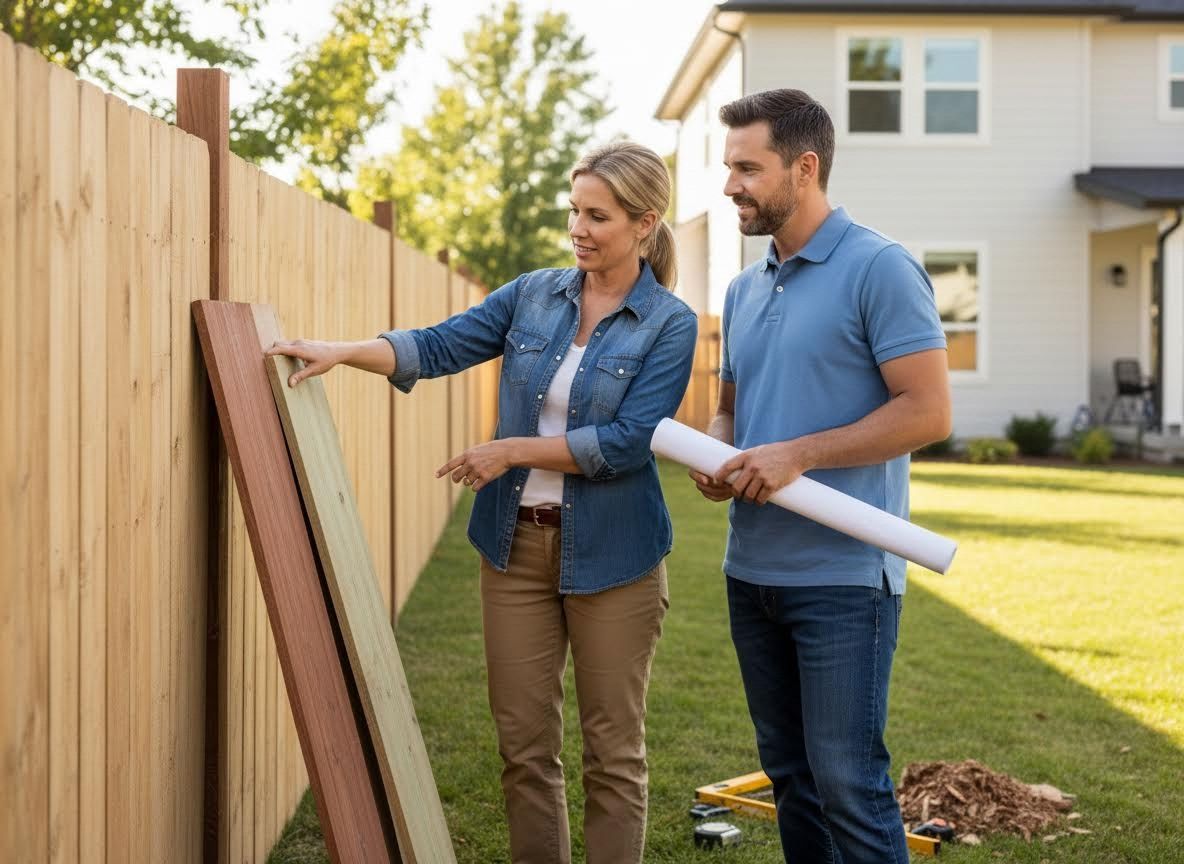
Choosing the right materials for any home improvement project is crucial, especially for an investment like a new fence. A well-constructed fence not only enhances your property’s aesthetics and security but also withstands the elements for years to come. At Trim and Carpentry, we understand that durability is key, and selecting the right wood type is the first step towards a long-lasting, beautiful home perimeter. This guide will explore the top wood options to ensure your fence stands the test of time.
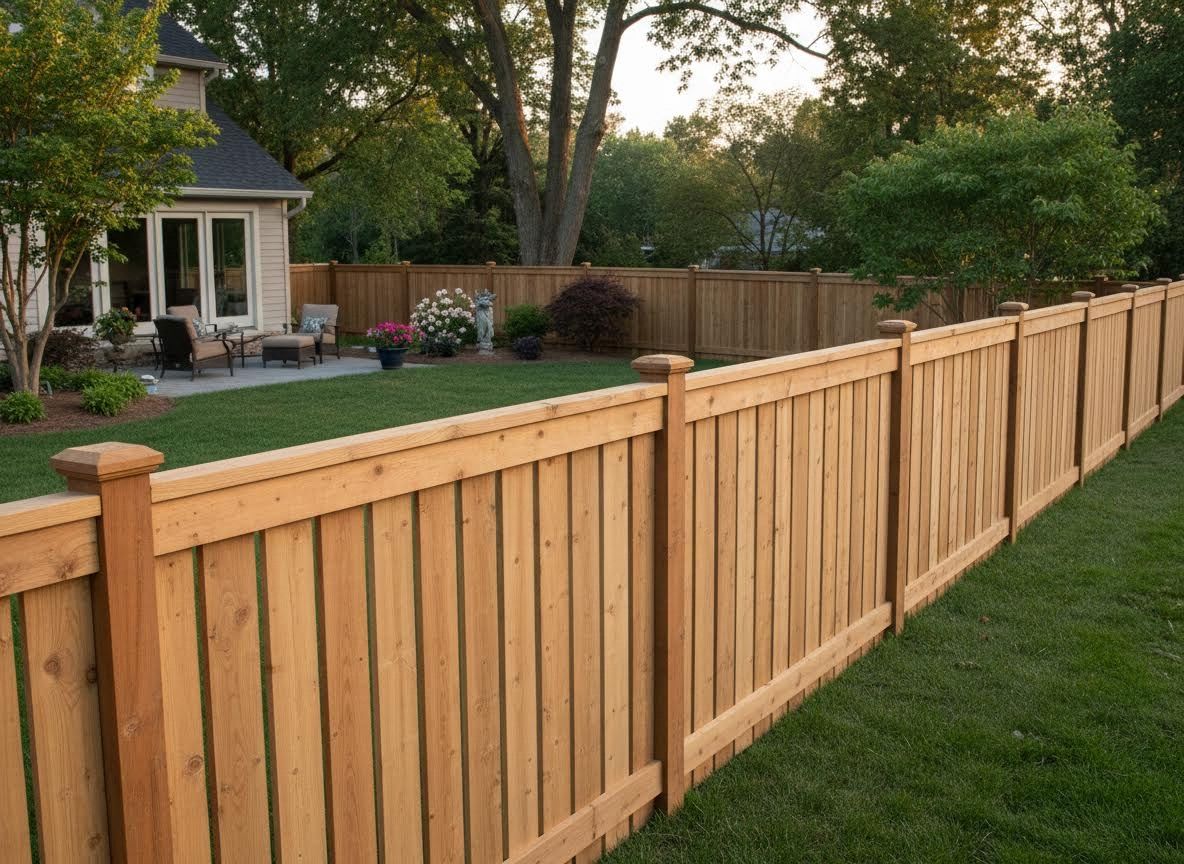
Understanding Wood Durability for Fencing
The longevity of a wooden fence is primarily determined by two factors: its natural resistance to decay and insects, and any treatments applied to enhance these properties. Different wood species possess varying degrees of inherent resistance due to their chemical composition and density. Factors such as moisture, ground contact, and pest exposure all play a significant role in how quickly wood deteriorates. When planning a fence project, considering these elements helps in making an informed decision that balances aesthetics, cost, and lifespan.
Premium Choices: Cedar and Redwood
For homeowners prioritizing natural beauty and exceptional durability, cedar and redwood are often the top recommendations. Western Red Cedar, known for its distinctive aroma and rich color, contains natural oils that act as fungicides and insect repellents, making it highly resistant to rot and pest infestation without chemical treatment. Redwood shares similar natural protective qualities, boasting impressive stability and resistance to warping and shrinking. Both woods weather beautifully to a silver-grey patina if left untreated, or they can be stained to preserve their original hue. While these options typically come at a higher price point, their longevity and minimal maintenance requirements often justify the initial investment, making them excellent choices for a high-quality exterior upgrade.
Treated Pine: A Robust and Economical Solution
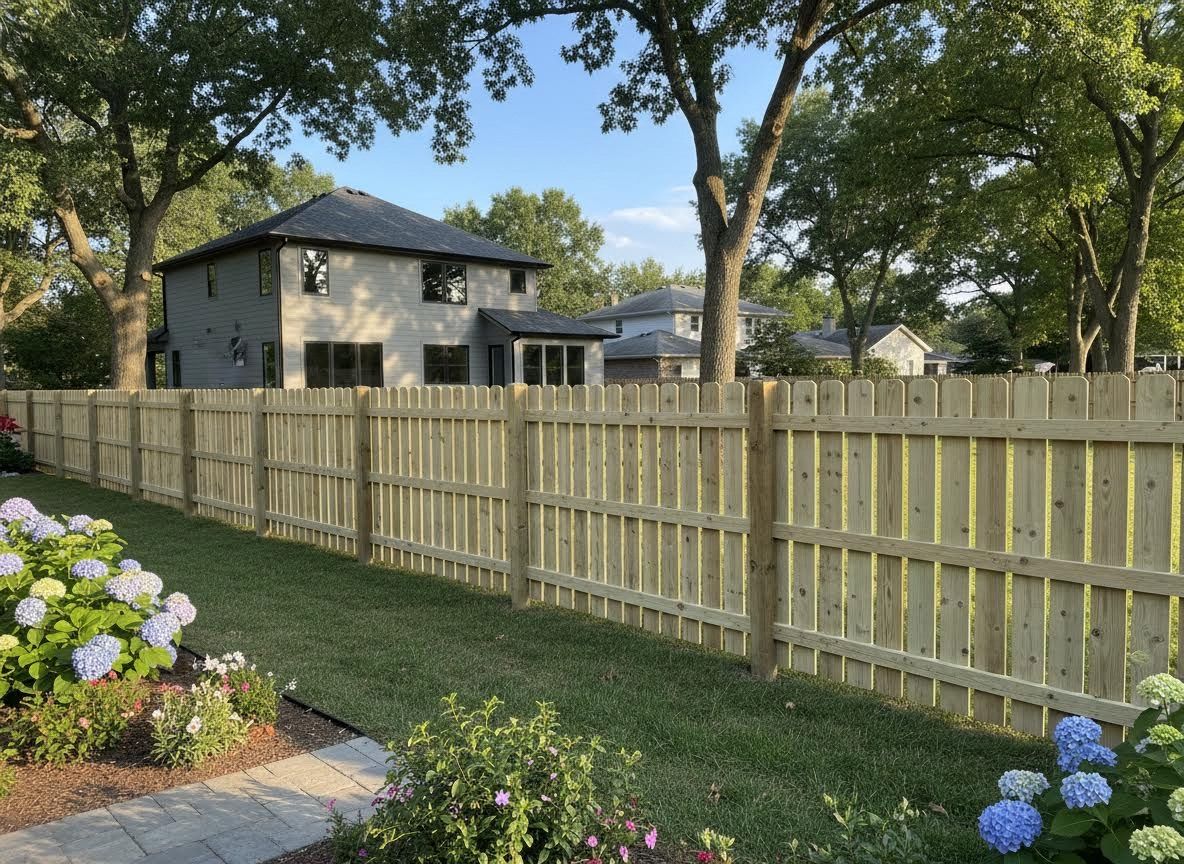
Pressure-treated pine is another highly popular option, especially for those seeking a balance between cost-effectiveness and durability. This wood undergoes a chemical process where preservatives are forced deep into its fibers, making it highly resistant to rot, fungi, and insect attack. The treatment significantly extends the lifespan of pine, which would otherwise be susceptible to decay. While it doesn't possess the natural aesthetic of cedar or redwood, treated pine is versatile, readily available, and can be stained or painted to match any desired look. It's a reliable choice for fence installation where strong performance and a reasonable budget are key considerations.
Crucial Considerations for Fence Longevity
Beyond the choice of wood, several factors contribute to the overall lifespan of your fence. Proper installation by an experienced fence company is paramount, ensuring posts are correctly set to prevent sagging and maintain structural integrity. Regular maintenance, including cleaning, sealing, or staining every few years, can significantly extend the life of any wood fence by protecting it from moisture and UV damage. Avoiding ground contact where possible and ensuring good drainage around the fence line also helps prevent premature decay. Combining the right wood with our professional team and diligent upkeep ensures your investment lasts for decades.
Selecting the appropriate wood for your new fence is a foundational decision that impacts its durability, appearance, and value to your home. Whether you opt for the natural resilience of cedar or redwood, or the treated strength of pine, understanding each material's characteristics is vital. For guidance on the best materials and professional fence installation tailored to your Indianapolis property, consider reaching out to Trim and Carpentry to explore your options and ensure your exterior upgrade lasts.